






How to Use Estate Planning to Close Clients Faster
Speakers
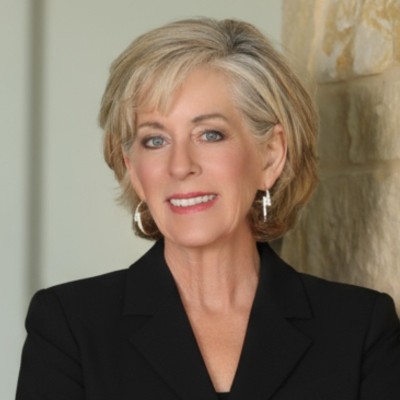
Erin Botsford, CFP®
Founder & CEO, The Advisor Authority

Sarah Marriott
Director of Sales, Vanilla
Speakers
Erin Botsford, CFP®
Founder & CEO, The Advisor Authority
Sarah Marriott
Director of Sales, Vanilla
Key takeaways
- Advisors who lead prospect meetings with risk management and estate planning, rather than investment management, differentiate immediately, since most advisors open with the same portfolio pitch.
- A short list of sequenced discovery questions, what Erin Botsford calls “disturbing tracks”, uncovers gaps most prospects didn’t know existed, such as outdated distribution provisions or missing remarriage protections, and builds trust within a single meeting.
- Excluding either spouse from the first meeting, especially the more risk averse partner, can quietly end a prospect’s interest before the conversation even starts.
- Reviewing a prospect’s estate documents before the meeting removes the advisor’s ability to surface issues live, so Botsford’s approach requires seeing them for the first time in the room.
- Charging a financial planning fee separate from an assets under management fee lets advisors capture revenue for the estate and risk management work that AUM fees were never meant to cover.
From a stalled investment pitch to a new client acquisition model (0:00–8:57)
Erin Botsford spent her early years as a wirehouse advisor leading with investment management, the same pitch most prospects had already heard from someone else. A turning point came during a business coaching session, when a fellow advisor described tripling his production to three million dollars while stepping back from client reviews entirely, and focusing on new engagements.
Curious, Botsford spent a day shadowing him and discovered he was leading conversations with risk management and estate planning instead of portfolio talk. She hired an estate attorney to spend a year in her office teaching her how prospects think and make decisions, an investment that reshaped her practice.
Within three years, her production grew from three hundred thousand to five million dollars.
Why most advisors sound the same, and how to stand out (8:57–16:06)
Botsford argues the industry trains advisors to lead with assets under management, which makes most first meetings indistinguishable from one another. She profiles her ideal client as risk averse, resistant to surprises, and willing to pay for planning advice separate from a product sale.
Prospects who don’t fit that profile, she notes, are often better served through a referral to a trusted colleague or a center of influence like a CPA or attorney, rather than being forced into a book of business they were never suited for.
Botsford notes that women tend to be more risk averse than their male partners and often hold what she calls veto power over a decision. Leaving either spouse out of a meeting, she warns, is often enough to lose the prospect entirely.
Leading with risk before investments (16:06–22:29)
Botsford’s methodology, which she teaches as a fourteen step process, never begins with the standard request for a prospect’s account statements or a copy of their estate planning documents. Instead, she asks only for names and the ages of a couple’s children.
In the meeting, she introduces her firm’s disciplines, investment planning, risk management, and estate planning, and explains that her process starts with risk rather than portfolio construction. She illustrates the point on a whiteboard, drawing a circle representing the prospect’s life and explaining that unexpected events, not market returns, are what most often derail a comfortable retirement. She often highlights different scenarios signaling that she has deep experience working at any wealth level.
Disturbing tracks: surfacing planning gaps a prospect didn’t know existed (22:29–30:22)
With permission to ask a few questions, Botsford walks a couple through what she calls disturbing tracks, questions designed to reveal blind spots in an existing plan.
The first track asks how money will be distributed to children after both parents die. Most couples answer from memory, often citing an outright or graduated distribution set years earlier, without having considered what happens if a child is going through a divorce or a lawsuit at the time of inheritance.
Botsford then walks through the exposure that creates and introduces the idea of leaving money to children in a protected trust rather than outright, the kind of gap advisors are trained to look for when they review quality estate planning documents.
A second track asks whether a surviving spouse’s documents require a future new spouse to sign a prenuptial agreement before accessing the deceased spouse’s share, a provision Botsford says she has seen in a current client’s documents only once in her career.
Umbrella liability and the credibility leap (30:22–35:42)
Botsford applies a similar approach to liability exposure, asking prospects how much umbrella liability coverage they carry and then testing whether it is enough given specifics like a teenage driver in the family. A single at fault accident, she notes, can expose a family’s full net worth well beyond a policy’s stated limit.
Walking prospects through risk and estate planning questions before any conversation about investments, she says, unconsciously elevates an advisor’s credibility above where prospects typically rank financial advisors relative to their attorney or CPA. She points to results from advisors she has trained, including one who closed a seven million dollar case and another who converted a two and a half million dollar referral in a single conversation, both crediting the disturbing tracks method directly.
Where Vanilla’s estate planning software comes in (35:42–37:33)
Botsford is clear that this approach is meant for winning the client, not for managing the relationship afterward. Before adopting a platform like Vanilla, she read every page of a new client’s estate documents herself, a process that once required a full time staff attorney.
She frames Vanilla’s AI-powered estate document reviews as the tool that now compresses that work from days to seconds, freeing advisors to spend the time they save on the client acquisition process she teaches rather than on paperwork once the relationship has already begun.
Q&A highlights
What if a prospect doesn’t seem worried about asset protection risks?
Botsford says this has rarely happened in her experience, since even clients well below the ultra-high-net-worth level care about how their money is distributed to children, long-term care costs for aging parents, and mitigating taxes. A prospect who genuinely isn’t concerned about any of it, she adds, usually wasn’t her ideal client to begin with.
How do you point out gaps in a prospect’s current plan without sounding like you’re bad-mouthing their existing advisor?
Botsford says she never criticizes the current advisor. When a prospect asks why their advisor never raised these issues, her only response is that she doesn’t know, but that working together can get it fixed.
How do you get both spouses to actually attend the first meeting?
Botsford treats it as a firm policy rather than a request. If both people affected by the planning don’t attend, the meeting doesn’t happen, a rule she compares to how an attorney’s office operates.
How is a separate financial planning fee different from an assets under management fee advisors already charge?
An AUM fee compensates an advisor for managing investment risk, not for the discovery work involved in fixing gaps like outdated distribution terms or improperly titled property. A separate planning fee, she says, is what actually funds that additional work.
About the speakers
Erin Botsford, CFP, Founder and CEO, The Advisor Authority
Erin Botsford is a 31-year veteran of the financial services industry who was ranked among Barron’s Top 100 advisors before selling her practice in 2017. She now trains financial advisors through her Elite Advisor Success System and is the author of Seven Figure Firm: How to Build a Financial Service Business that Grows Itself.
Sarah Marriott, Director of Sales, Vanilla
Sarah Marriott spent more than a decade as a wealth advisor to ultra-high-net-worth families, including roles at Goldman Sachs and Cresset Capital. She is now Director of Sales at Vanilla.
The information provided here does not constitute legal, financial, or tax advice. It is provided for general informational purposes only. This information may not be updated or reflect changes in law. Please consult with an estate attorney, financial advisor, or tax professional who can advise as to your particular situation.
Holistic wealth management starts here
Join thousands of advisors who use Vanilla to transform their service offering and accelerate revenue growth.